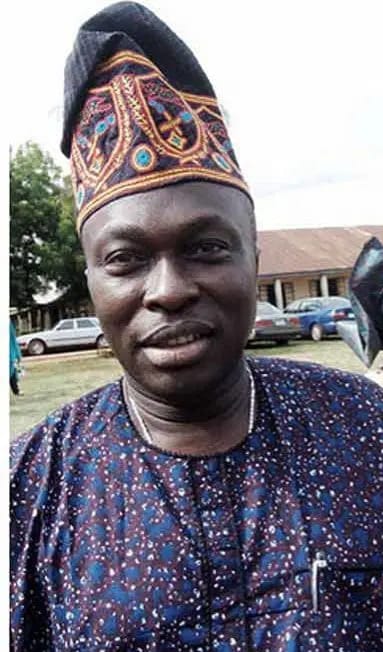
Sixteen years ago today, (January 25, 2026) a chilling political assassination silenced one of Ogun State's most prominent figures, leaving behind a trail of broken promises and unanswered questions that continue to haunt the state's political landscape.
On the night of January 25, 2010, Otunba Dipo Dina, a 49-year-old former gubernatorial candidate under the Action Congress (AC) and a formidable political force, was ambushed. Returning to his Dolphin Estate, Ikoyi home, his vehicle was intercepted. He was forcibly abducted, transported to an undisclosed location, and executed. In a detail that deepened the mystery, his driver and another passenger were reportedly spared by the assailants, suggesting a meticulously planned hit with a single, clear target. In the immediate aftermath, the two administrations bracketing the tragedy made vehement public commitments to pursue justice.
The outgoing government of Governor Gbenga Daniel vowed a thorough investigation. His successor, Senator Ibikunle Amosun, who took office months after the murder, also pledged to "do everything humanly possible" to solve the case, promising collaboration with the Federal Government under then-President Goodluck Jonathan.
Sixteen years on, these promises ring hollow. No meaningful progress has been made public. No suspects have been named, arrested, or prosecuted. The case file, as far as the public can discern, lies dormant—a stark symbol of impunity.
The absence of official closure has fueled persistent speculation and analysis. Dina was not just a businessman; he was a charismatic and influential political challenger. His assassination is widely interpreted within the framework of high-stakes politics, power, and resistance.
Key theories that have circulated among political observers include:
Political Elimination: As the AC flagbearer in the 2007 election, Dina was a direct threat to the established powers. His murder, just as the 2011 election cycle was beginning, removed a potent opposition figure. A Warning to Others: The brazen, execution-style hit is seen by some as a message designed to intimidate other challengers and critics. Business Rivalries: While less emphasised, his substantial business interests have also been considered a potential, though less cited, motive.
The Dina case transcends a single murder. It has become a benchmark for measuring the commitment of power to justice. The failure of two successive administrations from different political parties to advance the investigation speaks to a disturbing convergence of inertia, regardless of political affiliation.
It raises grave concerns about the safety of political dissent and the vulnerability of even high-profile individuals to violence when they pose a significant challenge. The implicit message, critics argue, is that certain crimes against political actors will be met with institutional amnesia.
Today, as his family, associates, and proponents of democracy mark this sombre anniversary, the epitaph "Ojo Buruku Esu gba Omo mu" (A wicked day the devil snatched a child) resonates with undiminished pain. The quest for answers is not merely about solving a crime but about confronting a culture of unresolved political violence.
Who killed Dipo Dina? The official answer remains a deafening silence. Until that silence is broken by genuine investigative rigour and political will, the murder of Otunba Dipo Dina will remain an open wound in Nigeria's political conscience and a dark, unfulfilled chapter in Ogun State's history.
May his soul continue to rest in peace.
Culled from the Facebook of OgunInsight.com